
Anodizing of Aluminum Components
Experience, precision, and dedication to quality allow us to deliver the best that aluminum anodizing has to offer.
Aluminum anodizing — how it works
Standard anodizing of aluminum is the most widely used electrolytic surface treatment in the world. Depending on the process parameters, the resulting oxide layer differs in thickness and properties — which is why anodizing is classified into types:
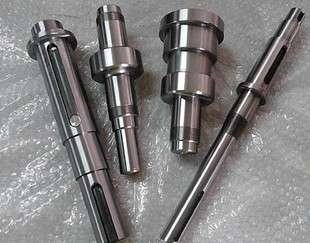
Standard Anodizing — Type II
Type II is the most common anodizing process worldwide, used across industries from medical and aerospace to defense.
Hard Anodizing — Type III
Type III is used to build anodic layers thicker than 25 µm. The thicker layer requires different process parameters: the electrolyte temperature is kept close to freezing, while voltage and current are significantly higher than in standard anodizing — which makes the process more demanding and more expensive.
The payoff is substantial: greater wear resistance, better corrosion protection, improved lubricant retention on the surface (PTFE), and superior dielectric and thermal-insulation properties. The dense aluminum-oxide layer makes the surface harder than tool steel. Due to the naturally dark color of the hard-anodized layer, parts are typically left undyed or dyed black.